
Skip to content

Primal Mysticism

  • Home
  • Tarot
    • Tarot Reading Guide
    • Learn Tarot
    • Tarot Card Meanings
    • Tarot Spreads
    • Online Tarot Readings
    • Tarot Reading Manchester
  • Soul Reading
  • Blog
  • Book a Reading
Home Tarot Spreads

Tarot Spreads

Great — I’ve expanded the Tarot Spreads pillar into a full ~4,000-word, ready-to-paste Markdown / website-ready text (clean — no extra CSS or JS).
I included image placeholders with recommended SEO filenames and alt text at every strategic spot so you (or your developer) can drop in visuals quickly.

After the page copy you asked for, I provided a stylish, crawlable HTML FAQ (accordion + JSON-LD) you can paste at the bottom of the page, plus suggested blockquote CSS styles to match your luxury-mystical brand.

The page is written in first-person, intimate, primal + luxurious voice, and designed to be both hypnotic for readers and optimized for search (spread names, variants, long-tail phrases).


Tarot Spreads — Portals of Insight, Clarity & Deep Self-Reading

(Pillar page — ~4,000 words — paste into CMS as page content. Replace image placeholders with your image URLs/files.)


H1: Tarot Spreads — Portals of Insight, Clarity & Deep Self-Reading

There are questions that deserve a single card and questions that demand the architecture of many. There are moments when life is a whisper and moments when life is a conversation — a spread is the conversational map.

When I sit down with a question, I first listen for its shape. Does it want a circle? A cross? A timeline? The spread I choose is the container I give the question — and that container colors the answer. In these pages I offer the spreads I use most: the small ones for immediate clarity, the deep ones for initiation and shadow work, the elegant ones for love, and the practical ones for career and decision. Each layout is both ritual and tool — a portal that invites truth to arrive.

Below you’ll find practical instructions, detailed spread layouts, ritual prompts, SEO-friendly page targets, and the somatic method I use when I read. Use this pillar as your spreads library and as a model for the pages that will sit beneath it.
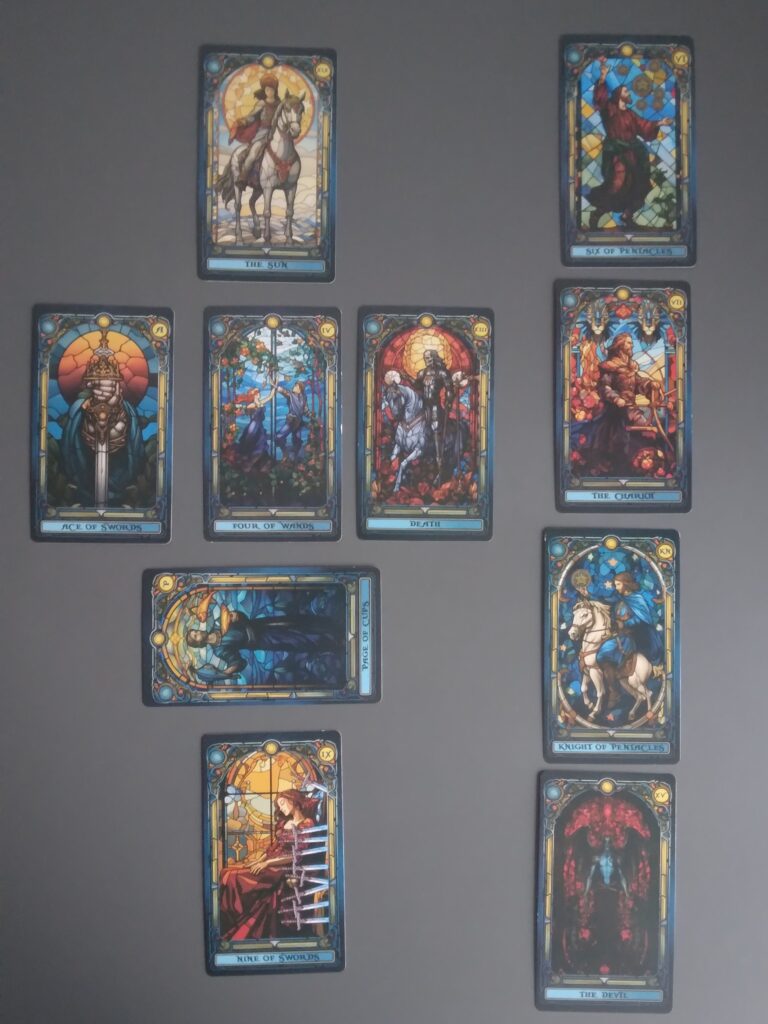

IMAGE (Hero)

  • Placeholder: tarot-spreads-hero-luxury-flatlay.jpg
  • Alt text: Luxury tarot spreads hero flatlay with cards, crystals and velvet cloth
    (Place hero image directly under the H1.)

H2 — How to Use This Page (quick orientation)

This pillar is your command map.

  • Each spread below has a suggested individual page URL (for SEO) and a recommended word count for that page.
  • Publish the most searched spreads first (3-card, Celtic Cross, love spreads, yes/no spreads) to build traffic fast.
  • Use the ritual prompts as short content blocks inside individual spread pages — they increase time on page and user engagement.
  • Internally link every spread page back to this pillar and to relevant card meaning pages — that’s how topical authority blooms.

H2 — How to Choose the Right Spread (the body decides)

There’s a simple guide I teach:

  • If your question is thin or everyday → choose 1–3 cards.
  • If your question includes other people → choose a relationship or multi-position spread.
  • If you want to see patterns over time → choose a timeline or Celtic Cross.
  • If you’re doing inner work → choose shadow or integration spreads.
  • If you’re mapping a spiritual process → choose a chakra or kundalini-style spread.

More importantly: ask your body. Close your eyes, breathe, and sense a shape. The body will tell you whether it wants three cards or nine.
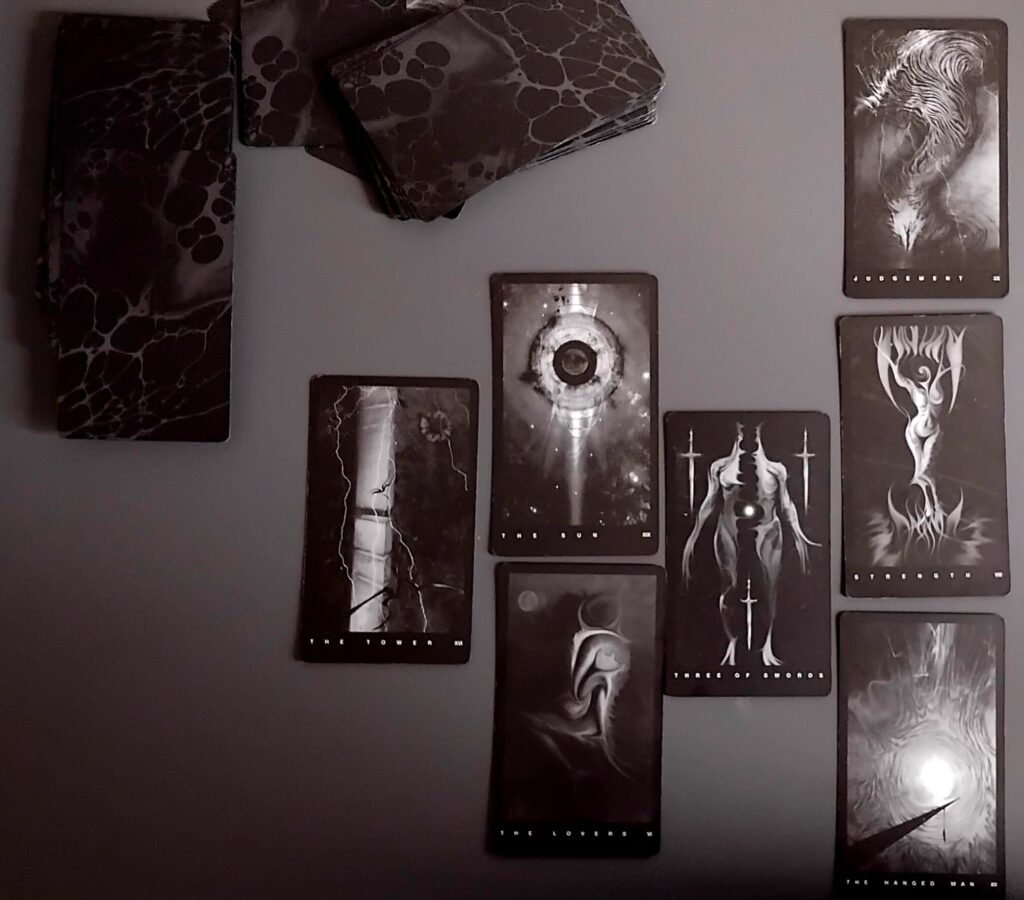

H2 — Foundational Spreads (simple, powerful, beginner friendly)

These are the spreads that give the fastest returns. Publish these first.

H3 — One-Card Tarot Spread — The Daily Thread

URL target: /tarot-spreads/one-card-tarot-spread/
Page target: 800–1,000 words

Layout: Single card.
Best for: Daily guidance, quick clarity, grounding.
How I use it: I pull one card upon waking or before sleep. It is the word I carry for the day. I let its image sit for a full inhale.
Interpretation prompt: “What is the single message I need today?”
Ritual: Light one candle, draw one slow breath, and place the card in front of you. Journal a single line.

IMAGE placeholder: one-card-tarot-spread.jpg — One card tarot spread meaning and daily draw setup


H3 — Three-Card Tarot Spread — Past / Present / Future (or Mind / Body / Spirit)

URL target: /tarot-spreads/three-card-tarot-spread/
Page target: 1,000–1,400 words

Layout: Card 1 = Past | Card 2 = Present | Card 3 = Future (alternate: Mind/Body/Spirit).
Best for: Decision clarity, quick readings, love micro-reads.
How I use it: I often use this as an accessible teaching spread for clients. The three-card structure forces a narrative with beginning, middle and direction.
Interpretation prompt: Read left → right; notice which card “lodges” in the body.
Variations: Draw for different timeframes (week / month / year).

IMAGE placeholder: three-card-tarot-spread.jpg — Three card tarot spread layout with candle and journal


H2 — Love & Relationship Spreads (high demand, high conversion)

Love spreads bring traffic and bookings. These pages convert because people search with specific emotional intent.

H3 — Five-Card Relationship Spread — “The Two Hearts”

URL target: /tarot-spreads/love-relationship-tarot-spread/
Page target: 1,200–1,600 words

Layout: 1 — You | 2 — Them | 3 — The Connection | 4 — Challenge | 5 — Outcome
Best for: Understanding the dynamics between partners and next steps.
How I read it: I let position 3 sing first — it often reveals the energetic glue or friction. Position 4 clarifies what must be healed or spoken.
Ritual prompt: After laying, close your eyes and feel the emotion under each card for 10 breaths.

IMAGE placeholder: love-relationship-tarot-spread.jpg — Five card love tarot spread with rose petals


H3 — “How They Feel About Me” Spread (SEO magnet)

URL target: /tarot-spreads/how-they-feel-about-me-spread/
Page target: 1,000–1,300 words

Layout: 1 Their feelings | 2 Their fear | 3 Their desire | 4 Hidden factor | 5 Outcome
Why it ranks: People search this exact phrase repeatedly — include long-tail variants on the page (e.g., “how does he feel about me tarot spread”, “how do they feel about me tarot”).
Interpretation: Read with compassion. The cards rarely give binary answers — they illuminate feeling and movement.

IMAGE placeholder: how-they-feel-about-me-spread.jpg — Intimate tarot spread showing feelings positions


H3 — Soul Connection / Twin Flame Spread

URL target: /tarot-spreads/soul-connection-spread/
Page target: 1,000–1,400 words

Layout suggestion: 6 positions — Soul history | Present contract | Lesson | Obstacle | Healing path | Future potential
Use case: Spiritual seekers looking for soul relationship insight. This page can be paired with your Soul Readings service for cross-conversion.

IMAGE placeholder: soul-connection-tarot-spread.jpg — Soul connection tarot spread with candles and crystals


H2 — Career, Money & Purpose Spreads (practical + sovereign)

These spreads help people make decisions about work, direction and livelihood. They are conversion-friendly for coaching and mentorship offers.

H3 — Career Direction Spread

URL target: /tarot-spreads/career-direction-tarot-spread/
Page target: 1,000–1,400 words

Layout: 1 Current path | 2 Strengths | 3 Challenges | 4 Advice | 5 Outcome | 6 Next step (optional)
How I use it: I look for cards that talk about capacity (Pentacles), passion (Wands), and thinking patterns (Swords).
CTA: Link to your tarot mentorship and career coaching services.

IMAGE placeholder: career-direction-tarot-spread.jpg — Career tarot spread with planner and cards


H3 — Life Purpose / Path Spread

URL target: /tarot-spreads/life-purpose-tarot-spread/
Page target: 1,200–1,800 words

Layout: 7–9 cards mapping gifts, blocks, path, service and action.
Why powerful: This feed converts well into long-form mentorship and spiritual coaching — position it as both practical and soulful.

IMAGE placeholder: life-purpose-tarot-spread.jpg — Life purpose tarot spread mapping gifts and obstacles


H2 — Spiritual & Awakening Spreads (deep, somatic, kundalini-friendly)

These spreads reflect spiritual processes and subtle energy work — perfect for your brand’s Kundalini offerings and soul readings.

H3 — Shadow Work Spread

URL target: /tarot-spreads/shadow-work-tarot-spread/
Page target: 1,200–1,800 words

Suggested layout: 1 Shadow | 2 Trigger | 3 Origin | 4 Lesson | 5 Integration | 6 Next practice
How I use it: I read shadow cards slowly, allowing time between positions. I encourage journalling and somatic exercises after the reading.
Safety note: Add a short guidance paragraph about grounding and emotional support.

IMAGE placeholder: shadow-work-tarot-spread.jpg — Shadow work tarot spread with dark cloth and candle


H3 — Kundalini Awakening Spread — signature to your brand

URL target: /tarot-spreads/kundalini-awakening-spread/
Page target: 1,400–2,000 words

Layout (8 cards): Root | Sacral | Solar | Heart | Throat | Third Eye | Crown | Message / Integration
How I read it: Read bottom → top, then the message. The spread maps energetic flow and blockages; pair with breathwork or a short kriya.
Safety & nuance: Put a paragraph about not forcing awakening and working safely with a certified yoga/energy teacher.

IMAGE placeholder: kundalini-awakening-tarot-spread.jpg — Kundalini tarot spread mapping chakra positions with meditation cushion


H2 — Decision & Crossroads Spreads (clarity when you can’t decide)

People search exact phrases like “yes or no tarot spread” — these are traffic magnets.

H3 — Yes / No Tarot Spread (3 cards)

URL target: /tarot-spreads/yes-no-tarot-spread/
Page target: 800–1,200 words

Layout: Card 1 = Yes path | Card 2 = No path | Card 3 = Advice or timing
How I interpret: I rarely answer with a flat yes/no — instead I frame the energy around both options and a recommended action. This is great for SEO because people want direct answers, but teach nuance.

IMAGE placeholder: yes-no-tarot-spread.jpg — Three card yes no tarot spread with feather quill


H3 — Crossroads / Two-Path Spread

URL target: /tarot-spreads/crossroads-tarot-spread/
Page target: 1,000–1,400 words

Layout: Path A phase | Path A challenge | Path B phase | Path B challenge | Deeper truth | Advice
Why useful: It provides a clear and balanced look at two options and is excellent for coaching conversion.

IMAGE placeholder: crossroads-tarot-spread.jpg — Crossroads tarot spread showing two paths layout


H2 — The Celtic Cross — Deep Dive (longform, SEO heavyweight)

URL target: /tarot-spreads/celtic-cross-tarot-spread/
Page target: 1,600–2,400 words (this one should be exhaustive)

The Celtic Cross is widely searched and expected to be thorough. This should be one of your earliest, most polished pages.

Suggested content for the Celtic Cross page (include here briefly and expand on its own page):

  • Describe each of the 10 positions in depth (Position 1: The present / Position 2: The challenge / Position 3: Foundation / Position 4: Past / Position 5: Conscious / Position 6: Near future / Position 7: Self / Position 8: Environment / Position 9: Hopes/fears / Position 10: Outcome).
  • Provide reading strategy: read pairs first (1 & 2, 3 & 4), then the cross, then the house.
  • Example reading: include a short example with real card combination analysis.
  • Common mistakes & how to avoid them.
  • When to choose Celtic Cross vs another spread.

IMAGE placeholder: celtic-cross-tarot-spread-layout.jpg — Celtic Cross tarot spread layout with position labels and example cards


H2 — Advanced Spreads & Specialty Layouts (creative, signature pages)

These are your brand pieces — make some of these unique to Primal Mysticism and protect them as signature offerings.

  • Year Ahead / Solar Return Spread — good for seasonal content and New Year SEO.
  • Full Moon Release / New Moon Intentions — lunar spreads that tie into your Kundalini + ritual content.
  • Ancestral Healing Spread — for soul readers and deeper lineage work.
  • Business Circle Spread — for tarot for entrepreneurs / career pages.
  • Ritualized 9-Card Integration Spread — for workshops and paid courses.

IMAGE placeholder: advanced-tarot-spreads-grid.jpg — Collection of advanced tarot spread layouts


H2 — How to Read a Spread Somatically (my method)

This is where your difference shows. Teach somatic reading — not just card meanings.

  1. Slow the breath. Before you interpret, take three slow, full breaths with the querent or for yourself. The body is the first translator.
  2. Scan the body. Notice where attention lands: chest, belly, throat — these show the emotional tone.
  3. Name the first word. When you look at a card, name the first word that appears. It will often be the true cue.
  4. Weave the story. Read positions as relationships. Ask: how does position 1 move into position 3?
  5. Check resonance. Read back the story to the querent and pause. If they tense or release, you found the knot.

Practice exercise: Lay a 3-card spread each morning and journal the physical sensations alongside card notes for 30 days.


H2 — Creating Your Own Spread (design method)

If you’re inspired, design a spread that fits your question. My method:

  • Define the container: What do you want to know? (e.g., “career alignment” or “relationship healing”).
  • Choose 3–9 positions: Less for clarity, more for nuance.
  • Name each position: Give each a short prompt: “hidden need”, “shadow”, “next step”.
  • Test it: Pull the spread three times for the same question and note consistency.
  • Refine language: Make position names precise and somatic.

Example custom spread: The Integration Six — Root | Trigger | Pattern | Learning | Action | Integration.
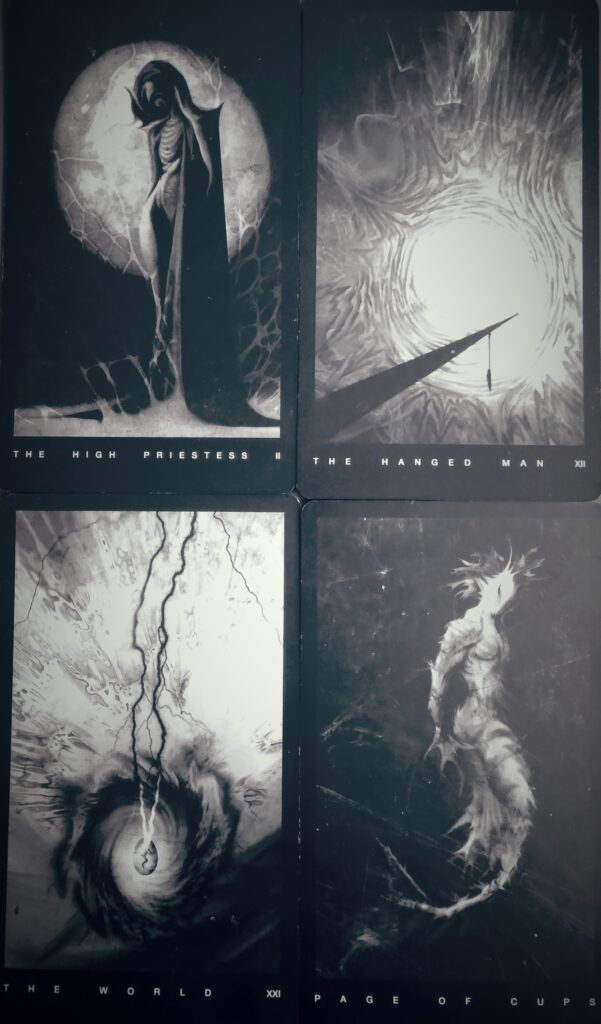
IMAGE placeholder: create-your-own-tarot-spread.jpg — Notebook and cards for designing a personal tarot spread


H2 — Page & SEO Strategy for the Spreads Silo

To get this pillar to rank quickly:

  1. Publish the pillar now (this content).
  2. Publish top traffic single spread pages first: Three-card, Celtic Cross, How-they-feel, Yes/No.
  3. Use your keyword list (the file you uploaded) to name pages and H1s for long-tail variants (e.g., “3 card tarot spread meaning”, “celtic cross positions meaning”, “love tarot spread for couples”).
  4. Include examples with image alt texts that include the spread name and intent.
  5. Interlink: Pillar → spread pages; spread pages → pillar; spread pages → card meaning pages; spread pages → service pages (book a reading).
  6. Schema: Use FAQ schema on the pillar and each spread page for targeted snippets.

Suggested primary internal links:

  • /tarot-reading-guide/ (how to read)
  • /tarot-card-meanings/ (cards referenced)
  • service pages: /online-tarot-reading/, /tarot-mentorship/

H2 — Example Readings (short case studies to include on spread pages)

Add short example readings (100–250 words each) showing how the spread reveals clarity. Example: a 3-card reading for choosing to move cities; a Celtic Cross reading showing career pivot; a Kundalini spread showing energetic blockages and a suggested breath practice.

(Be sure to alter identifying details if real clients are used; or use fictional composite examples.)


H2 — Rituals & Integration Prompts (short practices to add under each spread)

Small rituals help readers integrate. Examples:

  • Three deep breaths: after reading, breathe for one minute and write the first action you’ll take.
  • Moon bath: after a Full Moon spread, write what you release and burn it safely.
  • Movement integration: after a Kundalini spread, do a 3-minute pelvic breath.

H2 — Design & Image Guidance (for your dev/VA)

  • Use compressed WebP/JPG at 1200–1600px for hero images; thumbnails 400–600px.
  • Filenames: use the spread name + intent: three-card-tarot-spread-meaning.jpg; celtic-cross-tarot-spread-layout.jpg.
  • Alt text must be natural and keyword-rich: e.g., “three card tarot spread meaning — past present future layout” or “celtic cross tarot spread layout and position meanings”.
  • Add srcset for responsive images.
  • Use structured data FAQ (the one I’ll give you below) at the bottom of the pillar.

H2 — Conversion & Monetization Opportunities

  • Add clear CTAs after each spread: “Book a live reading using this spread” or “Learn this spread in mentorship”.
  • Create a downloadable PDF with printable spread diagrams in exchange for an email (great for lead gen).
  • Offer a monthly “Spread of the Month” mini-guide as an opt-in.

H2 — Closing (first-person invitation)

Spreads are where ritual meets language. They let the deep and the practical converse. For me, a spread can shift a mood, unlock a pattern, or light a path that had seemed hidden.

If you feel called, start with the three-card spread for a month. Notice the small changes. If you want me to read one of these spreads with you — online or in Manchester — book a session and we’ll step into it together.

Explore the three-card spread →
Explore the Celtic Cross →
Book a reading →


IMAGE checklist (copy for dev/VA)

  • tarot-spreads-hero-luxury-flatlay.jpg — Luxury tarot spreads hero flatlay with cards crystals velvet
  • one-card-tarot-spread.jpg — One card tarot spread meaning and daily draw setup
  • three-card-tarot-spread.jpg — Three card tarot spread layout with candle and journal
  • love-relationship-tarot-spread.jpg — Five card love tarot spread with rose petals
  • how-they-feel-about-me-spread.jpg — Intimate tarot spread showing feelings positions
  • soul-connection-tarot-spread.jpg — Soul connection tarot spread with candles and crystals
  • career-direction-tarot-spread.jpg — Career tarot spread with planner and cards
  • life-purpose-tarot-spread.jpg — Life purpose tarot spread mapping gifts and obstacles
  • shadow-work-tarot-spread.jpg — Shadow work tarot spread with dark cloth and candle
  • kundalini-awakening-tarot-spread.jpg — Kundalini tarot spread mapping chakra positions with meditation cushion
  • yes-no-tarot-spread.jpg — Three card yes no tarot spread with feather quill
  • crossroads-tarot-spread.jpg — Crossroads tarot spread showing two paths layout
  • celtic-cross-tarot-spread-layout.jpg — Celtic Cross tarot spread layout with position labels and example cards
  • advanced-tarot-spreads-grid.jpg — Collection of advanced tarot spread layouts
  • create-your-own-tarot-spread.jpg — Notebook and cards for designing a personal tarot spread

Final SEO note

Make sure each spread page includes these elements:

  • H1 with exact spread name
  • H2: Layout & positions (clearly labelled)
  • H2: How to interpret (upright/reversed notes)
  • H2: Example reading(s)
  • H2: Ritual & journaling prompt
  • 1–2 images with alt text containing the spread name + intent
  • CTA to services / book a reading / subscribe


HTML: Crawlable FAQ for the Tarot Spreads Page (copy & paste before footer)

Below is a stylish accordion FAQ specifically about spreads (15 questions). It is crawlable (visible text) and includes JSON-LD. It also includes a small CSS block to match the luxury aesthetic and an accessible JS toggler. Paste this entire block where you want the FAQ to appear.

<!-- START: Tarot Spreads FAQ (stylish accordion) -->
<section id="spreads-faq" aria-labelledby="spreads-faq-heading" style="margin-top:60px;">
  <h2 id="spreads-faq-heading" style="text-align:center; font-size:2rem; margin-bottom:30px;">Frequently Asked Questions — Tarot Spreads</h2>

  <style>
    /* FAQ container */
    #spreads-faq { max-width: 980px; margin: 0 auto; color: #f5f5f5; font-family: 'Georgia', serif; }

    /* Each FAQ item */
    #spreads-faq .faq-item { border-bottom: 1px solid rgba(255,255,255,0.08); padding: 14px 0; }

    /* Question button (centered) */
    #spreads-faq .faq-question {
      width: 100%;
      text-align: center;
      background: transparent;
      border: none;
      cursor: pointer;
      padding: 12px 20px;
      font-size: 1.125rem;
      font-weight: 600;
      letter-spacing: 0.2px;
      color: #efe8dd;
      display: flex;
      justify-content: center;
      align-items: center;
      gap: 14px;
    }
    #spreads-faq .faq-question:hover { color: #d9b77c; }

    /* Icon */
    #spreads-faq .icon {
      display: inline-block;
      transform: rotate(0deg);
      transition: transform .28s ease;
      font-size: 1.1rem;
      color: #d9b77c;
    }
    #spreads-faq .faq-question[aria-expanded="true"] .icon { transform: rotate(180deg); }

    /* Answer block */
    #spreads-faq .faq-answer {
      max-width: 820px;
      margin: 10px auto 0 auto;
      text-align: center;
      color: #d8d2c6;
      line-height: 1.7;
      font-size: 0.995rem;
      padding: 6px 18px 20px 18px;
    }

    /* Small responsive tweak */
    @media (max-width:600px) {
      #spreads-faq .faq-question { font-size: 1rem; gap:10px; padding: 10px; }
      #spreads-faq .faq-answer { font-size: 0.98rem; padding: 8px 12px 16px; }
    }
  </style>

  <!-- FAQ items -->
  <div class="faq-item">
    <button class="faq-question" aria-expanded="false" aria-controls="sfaq1"><span>What is a tarot spread and why use one?</span><span class="icon">⌄</span></button>
    <div id="sfaq1" class="faq-answer" hidden>
      <p>A tarot spread is an ordered layout of cards where each position has a meaning. Spreads give structure and context, allowing multiple cards to form a coherent narrative and deeper insight than a single card alone.</p>
    </div>
  </div>

  <div class="faq-item">
    <button class="faq-question" aria-expanded="false" aria-controls="sfaq2"><span>Which spreads should beginners learn first?</span><span class="icon">⌄</span></button>
    <div id="sfaq2" class="faq-answer" hidden>
      <p>Start with the one-card draw, the three-card spread (past/present/future or mind/body/spirit), and a basic love spread. These are simple, powerful, and help build confidence in interpretation.</p>
    </div>
  </div>

  <div class="faq-item">
    <button class="faq-question" aria-expanded="false" aria-controls="sfaq3"><span>How do I choose the right spread for my question?</span><span class="icon">⌄</span></button>
    <div id="sfaq3" class="faq-answer" hidden>
      <p>Ask the body which shape it wants. If the question is simple, use fewer cards; if it involves other people or timeframes, choose a relational or timeline spread. Intuition is the best guide.</p>
    </div>
  </div>

  <div class="faq-item">
    <button class="faq-question" aria-expanded="false" aria-controls="sfaq4"><span>Is the Celtic Cross always the best choice?</span><span class="icon">⌄</span></button>
    <div id="sfaq4" class="faq-answer" hidden>
      <p>No. The Celtic Cross is deep and broad, but it can overwhelm simple questions. Use it for complex or life-direction queries; choose smaller spreads for focused moments.</p>
    </div>
  </div>

  <div class="faq-item">
    <button class="faq-question" aria-expanded="false" aria-controls="sfaq5"><span>Can I read spreads for myself accurately?</span><span class="icon">⌄</span></button>
    <div id="sfaq5" class="faq-answer" hidden>
      <p>Yes — with practice. Slow the breath, be honest with your prompts, and practice regular pulls. Many readers use journalling to improve self-read accuracy.</p>
    </div>
  </div>

  <div class="faq-item">
    <button class="faq-question" aria-expanded="false" aria-controls="sfaq6"><span>How many cards are too many for a single reading?</span><span class="icon">⌄</span></button>
    <div id="sfaq6" class="faq-answer" hidden>
      <p>There’s no strict limit, but more than 12 cards can dilute clarity for a single session. If you need depth, break the reading into sections or use a multi-session approach.</p>
    </div>
  </div>

  <div class="faq-item">
    <button class="faq-question" aria-expanded="false" aria-controls="sfaq7"><span>What spreads work best for relationship questions?</span><span class="icon">⌄</span></button>
    <div id="sfaq7" class="faq-answer" hidden>
      <p>Two-person spreads (e.g., five-card relationship layouts, “how they feel” spreads, soul connection spreads) give nuanced insight into each person and the dynamic between them.</p>
    </div>
  </div>

  <div class="faq-item">
    <button class="faq-question" aria-expanded="false" aria-controls="sfaq8"><span>How do I adapt a spread for online readings?</span><span class="icon">⌄</span></button>
    <div id="sfaq8" class="faq-answer" hidden>
      <p>Use screen-share or photograph the layout for your client, describe positions clearly, and allow pauses for somatic noticing. Online readings can be intimate and effective with the right ritual.</p>
    </div>
  </div>

  <div class="faq-item">
    <button class="faq-question" aria-expanded="false" aria-controls="sfaq9"><span>Are chakra or kundalini spreads safe for beginners?</span><span class="icon">⌄</span></button>
    <div id="sfaq9" class="faq-answer" hidden>
      <p>Chakra spreads can be profound. If you offer them, include grounding, breathwork suggestions, and a safety note about not forcing energetic experiences — especially for those new to energy work.</p>
    </div>
  </div>

  <div class="faq-item">
    <button class="faq-question" aria-expanded="false" aria-controls="sfaq10"><span>How to incorporate journalling with spreads?</span><span class="icon">⌄</span></button>
    <div id="sfaq10" class="faq-answer" hidden>
      <p>After a spread, write the first impressions, body sensations, and a one-line action. Return to the entry in a week to see what shifted; this deepens learning dramatically.</p>
    </div>
  </div>

  <div class="faq-item">
    <button class="faq-question" aria-expanded="false" aria-controls="sfaq11"><span>Can I create my own spread and publish it?</span><span class="icon">⌄</span></button>
    <div id="sfaq11" class="faq-answer" hidden>
      <p>Absolutely. Name positions clearly, test the spread, refine, and present it with images and a ritual prompt. Unique spreads can become signature offerings for your brand.</p>
    </div>
  </div>

  <div class="faq-item">
    <button class="faq-question" aria-expanded="false" aria-controls="sfaq12"><span>Which spreads convert best to paid services?</span><span class="icon">⌄</span></button>
    <div id="sfaq12" class="faq-answer" hidden>
      <p>Relationship, life purpose, kundalini/chakra mapping, and career direction spreads convert well because they promise tangible outcomes and deeper transformation.</p>
    </div>
  </div>

  <div class="faq-item">
    <button class="faq-question" aria-expanded="false" aria-controls="sfaq13"><span>How to present spread diagrams on a website?</span><span class="icon">⌄</span></button>
    <div id="sfaq13" class="faq-answer" hidden>
      <p>Use clear labeled diagrams, include alt text with the spread name, and offer a downloadable PDF with a printable diagram for lead capture.</p>
    </div>
  </div>

  <div class="faq-item">
    <button class="faq-question" aria-expanded="false" aria-controls="sfaq14"><span>What is the best way to teach a spread in a mentorship?</span><span class="icon">⌄</span></button>
    <div id="sfaq14" class="faq-answer" hidden>
      <p>Teach position meaning, then practice with example readings and journalling. Have students swap readings and give feedback on narrative weaving.</p>
    </div>
  </div>

  <div class="faq-item">
    <button class="faq-question" aria-expanded="false" aria-controls="sfaq15"><span>Do you offer a printable map of spreads?</span><span class="icon">⌄</span></button>
    <div id="sfaq15" class="faq-answer" hidden>
      <p>Yes. Offer a downloadable “spread pack” PDF as an opt-in: diagrams, prompts, and suggested ritual practices. It’s an excellent lead magnet for newsletters and mentorship funnels.</p>
    </div>
  </div>

</section>

<script>
  // Toggle accordion
  document.querySelectorAll('#spreads-faq .faq-question').forEach(btn => {
    btn.addEventListener('click', () => {
      const expanded = btn.getAttribute('aria-expanded') === 'true';
      btn.setAttribute('aria-expanded', String(!expanded));
      const content = document.getElementById(btn.getAttribute('aria-controls'));
      content.hidden = expanded;
    });
  });
</script>

<!-- JSON-LD FAQ schema for spreads (copy below into head or right after this block) -->
<script type="application/ld+json">
{
  "@context":"https://schema.org",
  "@type":"FAQPage",
  "mainEntity":[
    {"@type":"Question","name":"What is a tarot spread and why use one?","acceptedAnswer":{"@type":"Answer","text":"A tarot spread is an ordered layout of cards where each position has a meaning. Spreads give structure and context, allowing multiple cards to form a coherent narrative."}},
    {"@type":"Question","name":"Which spreads should beginners learn first?","acceptedAnswer":{"@type":"Answer","text":"Start with the one-card draw, the three-card spread and a basic love spread — simple, powerful and confidence-building."}},
    {"@type":"Question","name":"How do I choose the right spread for my question?","acceptedAnswer":{"@type":"Answer","text":"Ask the body which shape it wants. If the question is simple, use fewer cards; if it involves timeframes or other people, choose a timeline or relational spread."}},
    {"@type":"Question","name":"Is the Celtic Cross always the best choice?","acceptedAnswer":{"@type":"Answer","text":"No. Use the Celtic Cross for complex or life-direction queries; choose smaller spreads for focused questions."}},
    {"@type":"Question","name":"Can I read spreads for myself accurately?","acceptedAnswer":{"@type":"Answer","text":"Yes — with practice, journalling, and slowing the breath. Regular pulls deepen personal accuracy."}},
    {"@type":"Question","name":"How many cards are too many for a single reading?","acceptedAnswer":{"@type":"Answer","text":"There’s no strict limit, but more than twelve cards can dilute clarity. Consider multi-session work for deep readings."}},
    {"@type":"Question","name":"What spreads work best for relationship questions?","acceptedAnswer":{"@type":"Answer","text":"Two-person spreads like the five-card relationship layout and 'how they feel' spreads give nuance to both parties and the dynamic."}},
    {"@type":"Question","name":"How do I adapt a spread for online readings?","acceptedAnswer":{"@type":"Answer","text":"Use clear position descriptions, photo or screen-share the layout, and pause for somatic noticing. Online readings can be intimate and effective."}},
    {"@type":"Question","name":"Are chakra or kundalini spreads safe for beginners?","acceptedAnswer":{"@type":"Answer","text":"Chakra spreads can be profound; include grounding suggestions and safety notes when offering them."}},
    {"@type":"Question","name":"How to incorporate journalling with spreads?","acceptedAnswer":{"@type":"Answer","text":"After a spread, write first impressions, body sensations and one action. Revisit the entry later to see what changed."}},
    {"@type":"Question","name":"Can I create my own spread and publish it?","acceptedAnswer":{"@type":"Answer","text":"Yes — test it, refine, name positions clearly and present it with an image and ritual prompt. Unique spreads can become signature offerings."}},
    {"@type":"Question","name":"Which spreads convert best to paid services?","acceptedAnswer":{"@type":"Answer","text":"Relationship, life purpose, kundalini/chakra, and career direction spreads convert well due to tangible outcomes and deeper transformation."}},
    {"@type":"Question","name":"How to present spread diagrams on a website?","acceptedAnswer":{"@type":"Answer","text":"Use labeled diagrams, alt text with the spread name, and offer a downloadable PDF with printable diagrams for lead capture."}},
    {"@type":"Question","name":"What is the best way to teach a spread in mentorship?","acceptedAnswer":{"@type":"Answer","text":"Teach position meaning, practice with examples, journalling and student feedback."}},
    {"@type":"Question","name":"Do you offer a printable map of spreads?","acceptedAnswer":{"@type":"Answer","text":"Yes — a downloadable 'spread pack' PDF is an excellent lead magnet including diagrams, prompts and ritual practices."}}
  ]
}
</script>
<!-- END: Tarot Spreads FAQ -->

Blockquote Styles (suggested CSS)

Use these blockquote styles for the page to create a luxury-mystical feel. You can paste into your theme CSS or page <style> block.

/* Elegant luxury blockquote */
.primal-blockquote {
  border-left: 4px solid rgba(217,183,124,0.95); /* warm gold */
  background: rgba(37,34,32,0.15); /* subtle dark glass */
  color: #efe8dd;
  padding: 18px 20px;
  margin: 20px 0;
  font-style: italic;
  line-height: 1.6;
  font-size: 1.05rem;
  border-radius: 6px;
  box-shadow: 0 6px 24px rgba(0,0,0,0.45);
}

/* Accent small author tag */
.primal-blockquote .author {
  display:block;
  margin-top:10px;
  font-weight:600;
  font-style:normal;
  color: #d9b77c;
  text-transform:uppercase;
  letter-spacing: 1px;
  font-size:0.85rem;
}

How to use:
Wrap any evocative line or ritual prompt in:

<blockquote class="primal-blockquote">
  Trust your breath. Let the card speak first, then put language to it slowly.
  <span class="author">— Primal Mysticism</span>
</blockquote>

This will render a luxe, subdued block that draws the eye without overpowering the page.


Final notes & next steps

  • Want me to produce the full HTML version of this 4,000-word page (with the images inserted as <img> tags and src set to the local filenames I recommended)? I can supply that next.
  • Want me to generate the 10 highest-priority spread pages (ready to paste) in the same voice and length? I recommend starting with: Three-Card, Celtic Cross, Love Relationship, How They Feel About Me, Yes/No, Career Direction, Shadow Work, Kundalini Awakening, Crossroads, and One-Card.
  • If you want the image files packaged or compressed, I can provide filenames and image specs to hand to your designer.

Which would you like next?

Tarot Spreads – Frequently Asked Questions
What is a tarot spread?
⌄
A tarot spread is the layout of cards used to shape a reading. Each position holds a specific meaning, helping you interpret the story, energies, and emotional themes unfolding within the reading.
Which tarot spread is best for beginners?
⌄
The 3-card spread is ideal for beginners. It can be read as past–present–future, mind–body–spirit, situation–challenge–advice, or any intuitive trio.
How do I choose the right tarot spread?
⌄
Choose a spread that matches your question. Use small spreads for clarity and direction, and larger spreads like the Celtic Cross for deeper exploration or complex emotional situations.
Are larger tarot spreads more accurate?
⌄
Not necessarily. Smaller spreads often reveal clearer messages because they prevent over-interpretation. Accuracy depends more on intuition and the reader’s connection than on the size of the spread.
What is the Celtic Cross spread used for?
⌄
The Celtic Cross is a classic 10-card spread that provides a full emotional and spiritual landscape: your challenge, foundation, influences, past, present, future, unconscious, external forces, hopes, fears, and outcome.
Can I make my own tarot spreads?
⌄
Yes. Many tarot readers create custom spreads based on intuition, questions, or themes. Spirit-guided spreads are extremely effective for personal insight and shadow work.
What spread should I use for love or relationships?
⌄
Try a relationship spread exploring both partners’ energies, mutual dynamics, hidden influences, and the potential path forward. A simple “You – Them – Outcome” spread also works beautifully.
Can tarot spreads answer yes or no questions?
⌄
Yes, but they work best when the answer is explored through energy rather than a strict yes or no. Some readers also use single-card clarity spreads for yes/no guidance.
How many cards should I pull at once?
⌄
There’s no fixed rule. One-card draws are powerful for daily insight, 3-card spreads offer clarity, and larger spreads bring deeper layers of understanding.
Can tarot spreads be used for shadow work?
⌄
Absolutely. Shadow spreads reveal unconscious patterns, emotional wounds, suppressed desires, and inner contradictions that influence your choices.

Comments are closed.

Copyright © 2020 - 2025 Primal Mysticism
Close Search Window
↑