
Tarot Spreads – Portals of Insight, Clarity & Deep Self-Reading
There are questions that deserve a single card and questions that demand the architecture of many. There are moments when life is a whisper and moments when life is a conversation – a spread is the conversational map.
When I sit down with a question, I first listen for its shape. Does it want a circle? A cross? A timeline? The spread I choose is the container I give the question – and that container colors the answer. In these pages I offer the spreads I use most: the small ones for immediate clarity, the deep ones for initiation and shadow work, the elegant ones for love, and the practical ones for career and decision. Each layout is both ritual and tool – a portal that invites truth to arrive.
Below you’ll find practical instructions, detailed spread layouts, ritual prompts, SEO-friendly page targets, and the somatic method I use when I read. Use this pillar as your spreads library and as a model for the pages that will sit beneath it.
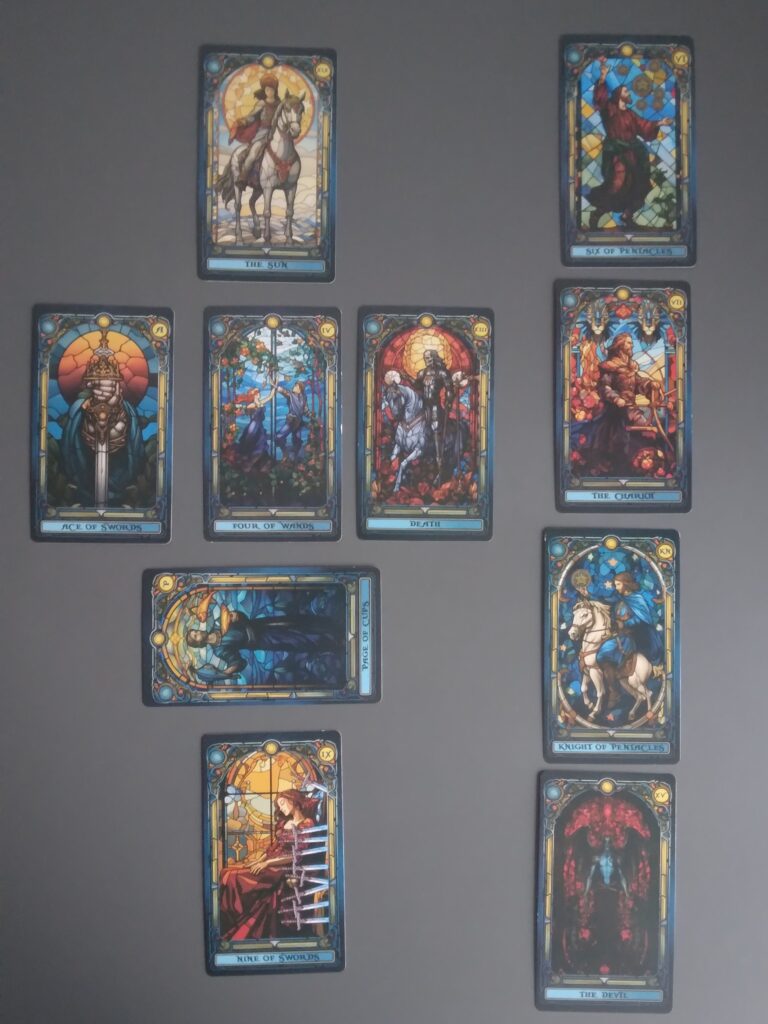
How to Choose the Right Spread
There’s a simple guide I teach:
- If your question is thin or everyday → choose 1–3 cards.
- If your question includes other people → choose a relationship or multi-position spread.
- If you want to see patterns over time → choose a timeline or Celtic Cross.
- If you’re doing inner work → choose shadow or integration spreads.
- If you’re mapping a spiritual process → choose a chakra or kundalini-style spread.
More importantly: ask your body. Close your eyes, breathe, and sense a shape. The body will tell you whether it wants three cards or nine.
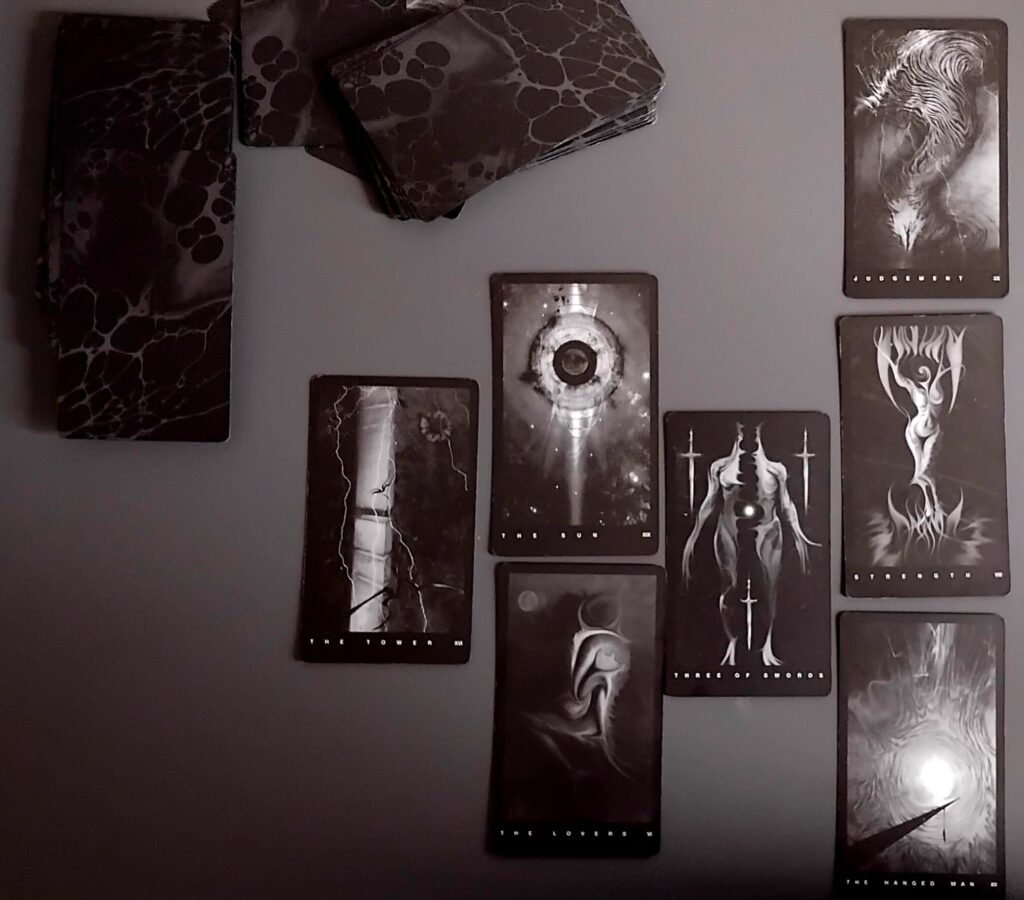
How to Read a Spread Somatically (my method)
This is where your difference shows. Teach somatic reading — not just card meanings.
- Slow the breath. Before you interpret, take three slow, full breaths with the querent or for yourself. The body is the first translator.
- Scan the body. Notice where attention lands: chest, belly, throat — these show the emotional tone.
- Name the first word. When you look at a card, name the first word that appears. It will often be the true cue.
- Weave the story. Read positions as relationships. Ask: how does position 1 move into position 3?
- Check resonance. Read back the story to the querent and pause. If they tense or release, you found the knot.
Practice exercise: Lay a 3-card spread each morning and journal the physical sensations alongside card notes for 30 days. Read more about somatic here.
Creating Your Own Spread (design method)
If you’re inspired, design a spread that fits your question. My method:
- Define the container: What do you want to know? (e.g., “career alignment” or “relationship healing”).
- Choose 3–9 positions: Less for clarity, more for nuance.
- Name each position: Give each a short prompt: “hidden need”, “shadow”, “next step”.
- Test it: Pull the spread three times for the same question and note consistency.
- Refine language: Make position names precise and somatic.
Example custom spread: The Integration Six — Root | Trigger | Pattern | Learning | Action | Integration.
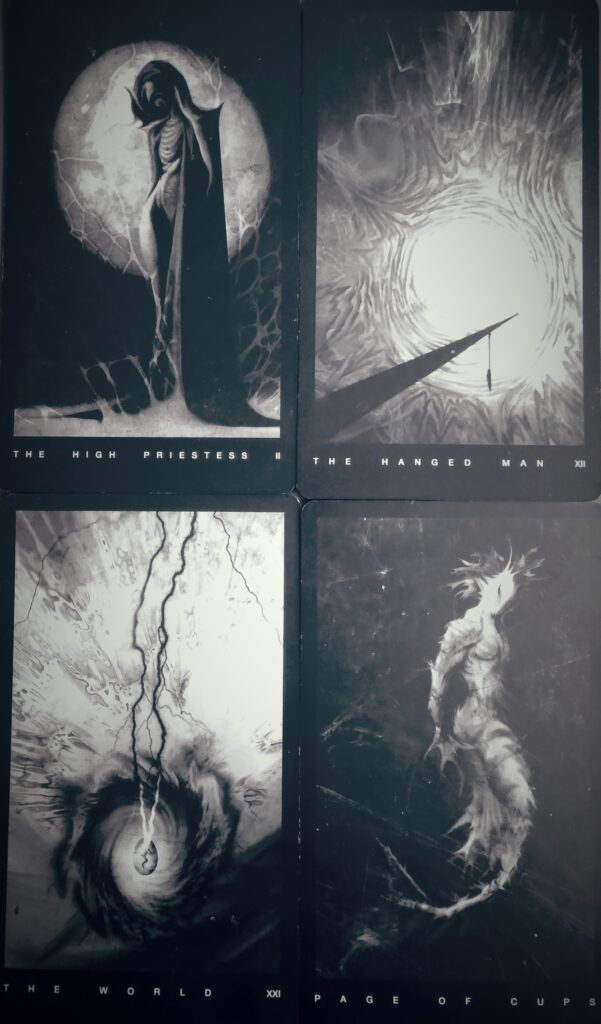
Your Invitation
Spreads are where ritual meets language. They let the deep and the practical converse. For me, a spread can shift a mood, unlock a pattern, or light a path that had seemed hidden.
If you feel called, start with the three-card spread for a month. Notice the small changes. If you want me to read one of these spreads with you — online or in Manchester — book a session and we’ll step into it together.