Tarot & Shadow Work: A Primal Mystical Journey
There is a world beneath the surface of awareness, a place where your hidden fears, unhealed wounds, and unclaimed power reside. Tarot is not merely a tool for divination – it is a mirror to the shadow, a cinematic portal into the unspoken corners of your psyche.
When you engage in shadow work through Tarot, you enter a primal, intimate conversation with yourself. Each card becomes a guide, each suit a dimension of the soul’s hidden architecture, and each reading a ritual of recognition and integration.
You and I are about to embark on this journey together—a path where mystery, ritual, and transformation meet, where cinematic imagery and mystical presence awaken your inner authority.
Understanding Shadow Work Through Tarot
Shadow work, a term popularized by Jung, refers to the exploration and integration of the parts of self that remain unconscious, denied, or suppressed. These aspects often influence your choices, relationships, and emotional patterns without your awareness.
Tarot serves as an ideal guide in this work because:
- Archetypal Reflection: Cards reveal universal patterns and personal shadows through symbols, suits, and narratives.
- Narrative Insight: Tarot spreads act as mirrors, reflecting stories of hidden beliefs, emotional blocks, and behavioral cycles.
- Energetic Integration: Engaging physically, emotionally, and intuitively with the deck allows the shadow to surface safely.
Each shuffle, draw, and reading becomes a primal ritual, aligning mind, body, and soul with hidden truths ready to be acknowledged and reclaimed.
Key Tarot Tools for Shadow Work
1. Major Arcana
Major Arcana cards often highlight core life lessons and deep-seated shadow patterns.
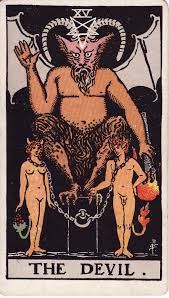
- The Devil may reveal attachment, addiction, or unconscious compulsions.
- Death signals the necessity of transformation and release.
- The Moon exposes illusions, fears, and emotional depths.
These cards act as archetypal beacons, illuminating the areas where shadow resides most profoundly.
2. Court Cards
Court cards reflect personality dynamics, internalized behaviors, and relational patterns.
- Pages reveal emerging aspects or immature patterns.
- Knights indicate actions driven by shadowed motivations or unexamined impulses.
- Queens guide emotional and internal mastery.
- Kings embody authority, control, or conscious leadership over shadow tendencies.
Court cards provide intimate insight into how the shadow manifests in your life and relationships.
3. Minor Arcana
Minor Arcana cards show everyday challenges and hidden emotional currents.
- Cups reveal suppressed feelings and relational patterns.
- Swords illuminate internal conflict and mental blocks.
- Wands reflect desires, ambition, or creative shadow energy.
- Pentacles indicate material attachment, fear, or security concerns.
How to Use Tarot for Shadow Work
Step 1: Create a Sacred Space
Before drawing cards, prepare your space with intention:
- Light candles or incense.
- Lay crystals aligned with introspection (amethyst, black tourmaline).
- Ground yourself through breath, movement, or meditation.
This establishes a ritual container, holding both light and shadow safely.
Step 2: Set Intention
State your purpose aloud or silently:
“I invite insight, clarity, and integration of all that I have denied within myself.”
Intentional practice primes the cards to reflect the shadow honestly, without distortion or avoidance.
Step 3: Choose a Spread
Select a spread that illuminates hidden patterns:
- Shadow Self Spread: Past, present, and hidden aspects of the self.
- Inner Conflict Spread: Conflict source, emotional impact, and path toward integration.
- Transformation Spread: Shadow energy to release, lesson to learn, and conscious action step.
Step 4: Engage Cinematically
Visualize the cards as characters and archetypes in a story:
- Imagine the Devil card whispering truths about attachments.
- The Moon guides you through a dark forest of unacknowledged fears.
- Court cards reveal relational dynamics unfolding like a film.
This primal, cinematic engagement heightens intuitive resonance and deepens integration.
Step 5: Integration
After reading:
- Journal insights, symbols, and patterns.
- Meditate or reflect on the lessons illuminated.
- Take practical steps to integrate shadow qualities into conscious behavior.
Shadow work is continuous and layered, and tarot provides the roadmap for ongoing evolution.
Combining Tarot with Ritual and Embodiment
Shadow work is not only mental—it is embodied and ritualized.

- Ritual Shuffling: Shuffle the deck with breath, intention, and cinematic presence.
- Embodied Reflection: Move, gesture, or dance to release blocked energy.
- Energy Anchoring: Place the drawn cards on an altar, meditate, or use visualizations to integrate lessons.
These practices transform shadow work from intellectual exercise into primal mystical experience, aligning your body, mind, and soul.
Common Shadow Work Cards
- The Devil: confront attachment, fear, and limitation.
- Death: embrace transformation and endings.
- The Moon: uncover illusions, hidden desires, and emotional confusion.
- Seven of Swords: reveal self-deception or unacknowledged motives.
- Nine of Cups (Reversed): highlight dissatisfaction or indulgence shadow.
You can explore the depth of the Tarot by better understanding their meanings.
You can request a free Dark Grimoire Tarot Book written personally by me.